Project
What Remains of Me
A robot reawakened in a drowned AI laboratory — made by a student studio organised like a real one.
- Team
- Games@Northeastern Studio · I was in Logistics & Studio Management, and in the Game Systems Design group, which wrote the wire and energy/virus documents together
- Platform
- Windows, macOS, Linux, and in the browser on itch.io
- Mechanics
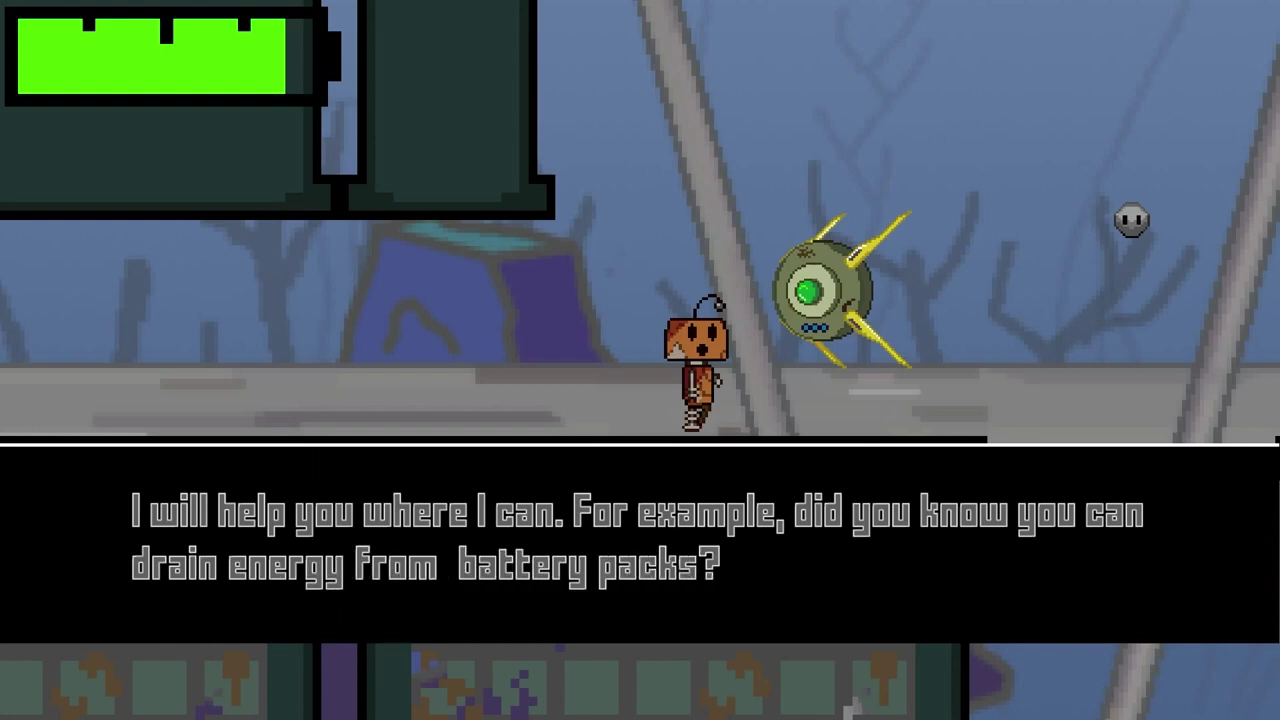
- A wire for swinging and for plugging in: drain energy from battery packs and transfer it to terminals, and — in the design documents — drain or overload enemies and manage a virus that rides on your energy
- Status
- Alpha prototype on itch.io · version 0.1.5 was the studio’s GDC build
- Built with
- Unity
Overview
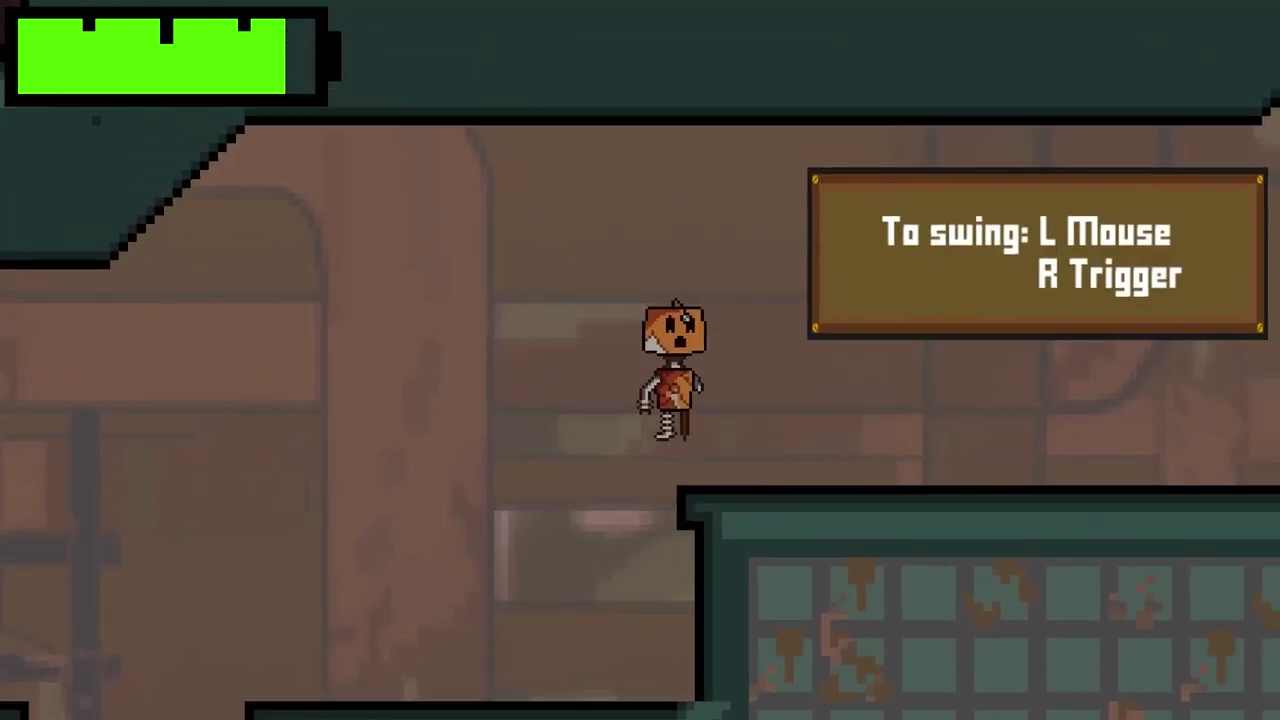
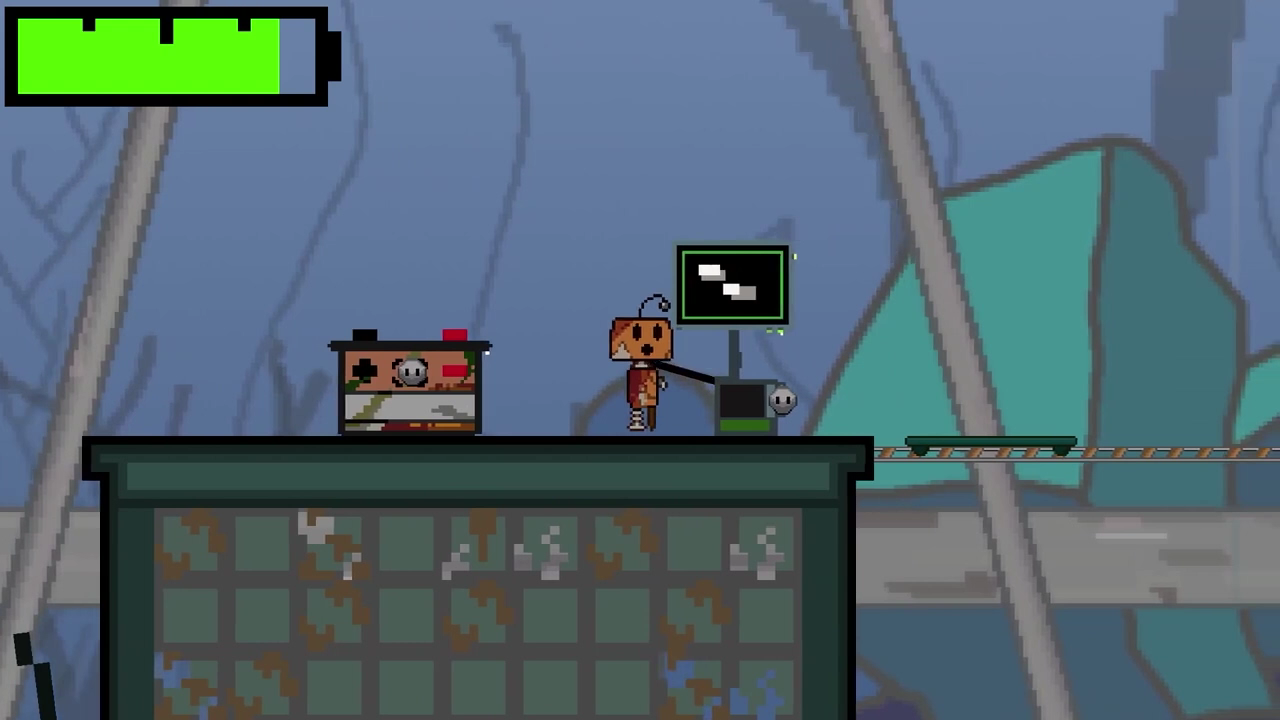
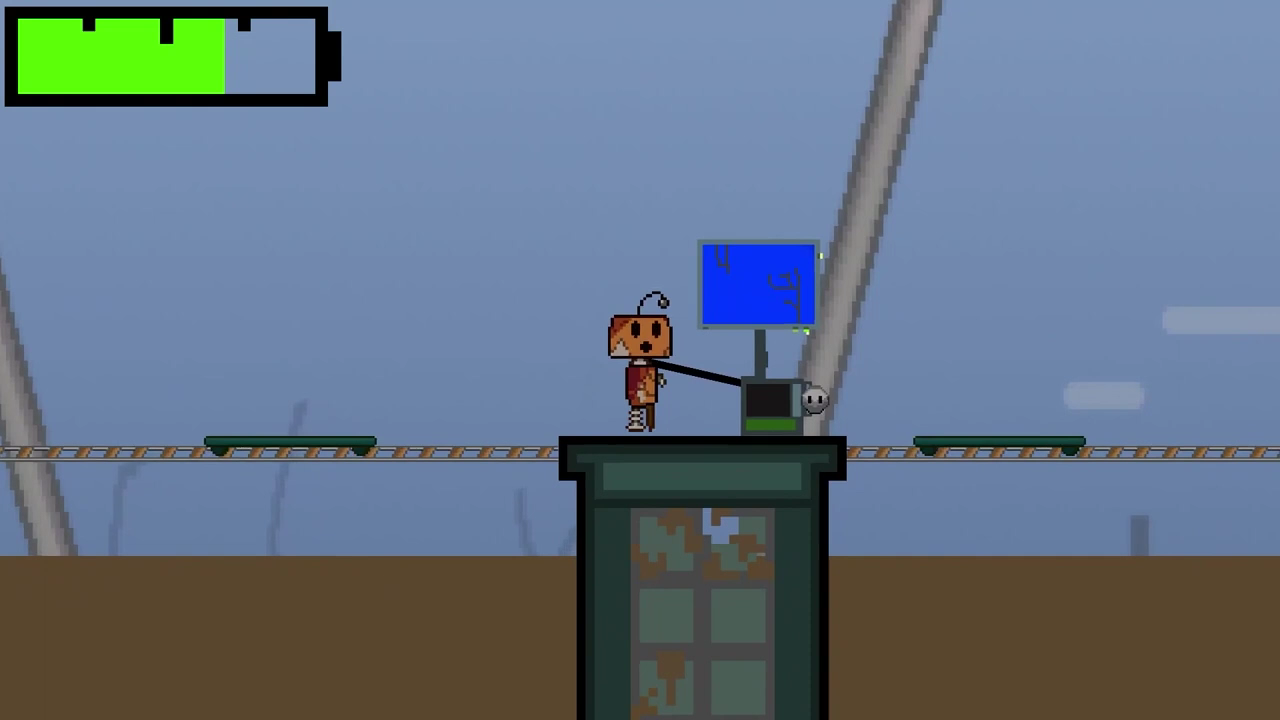
You play as Atlas, a robot reactivated in an abandoned, high-tech AI laboratory at the bottom of the ocean. It is a puzzle platformer: you upgrade Atlas’s abilities to get through the facility, deal with the feral AI in your way, and piece together what happened to the world and why you were switched back on. In the build shown here, Atlas runs on an energy meter, and energy Atlas has drained can be transferred into terminals to power the platforms you need to cross.
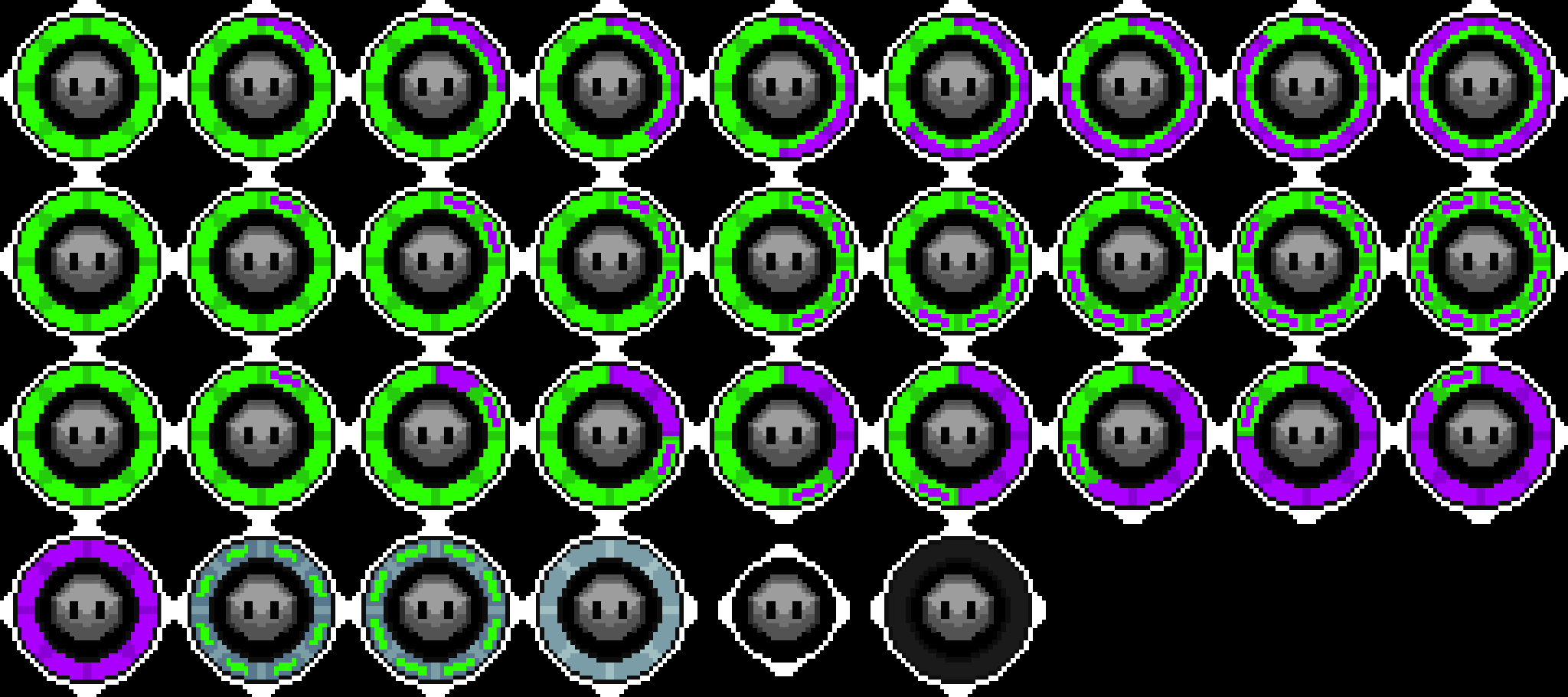
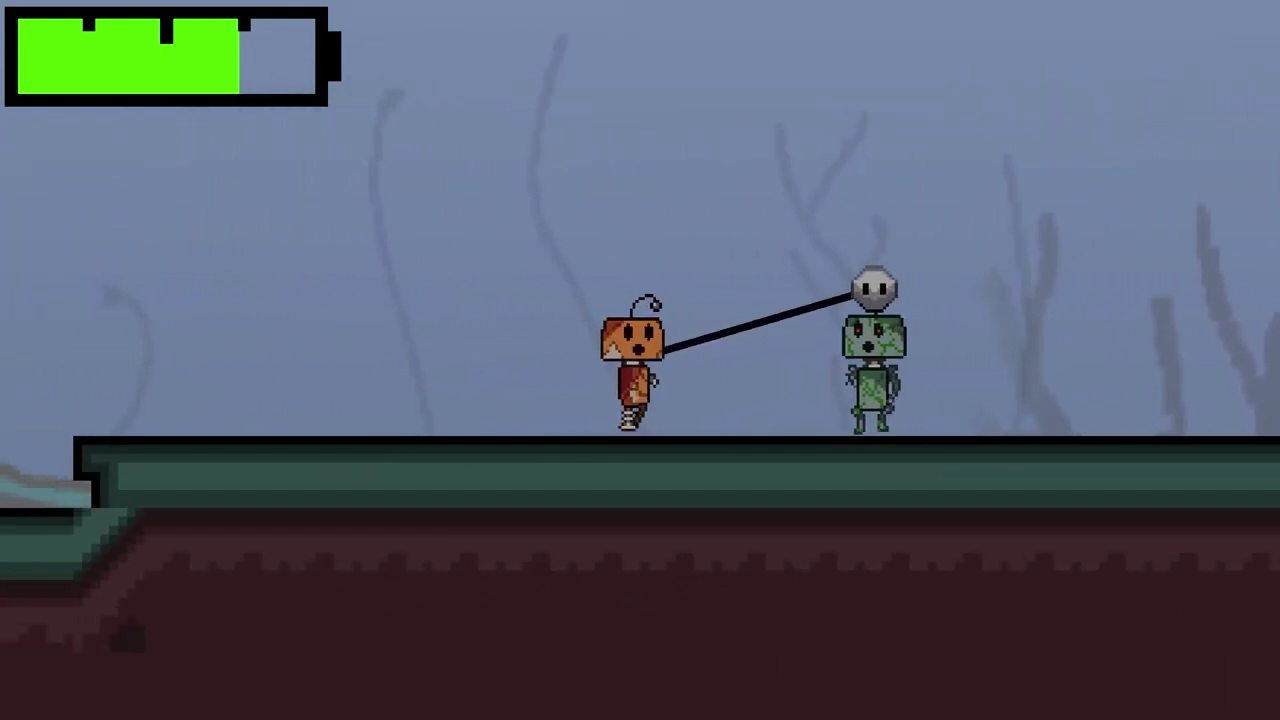
Two documents we wrote together in the Game Systems Design group, “Interaction (Wire, virus and energy) systems” and the “NEW battery and virus design document” (spring 2023), set out the rules underneath that — both are below. The wire is both the way around and the weapon: thrown toward the cursor, it plugs into the nearest pluggable object; holding the throw slows time to aim it in the air; on the ground it reels in and out to follow Atlas, and in the air it can be firmed up or swung to a 45-degree limit. Plugged into an enemy, the player chooses between draining it — taking its energy — and overloading it — pushing Atlas’s own energy in — and an enemy driven past full charge is stunned. Energy is Atlas’s health, and virus is carried as a share of it: draining an infected enemy pulls its virus across — not at all from a clean enemy, and faster the more infected the enemy is — and Atlas shuts down at 0% energy or 100% virus. The spring 2023 document adds that charging from a clean source dilutes the virus, and that an enemy with no virus is docile until it is given some.
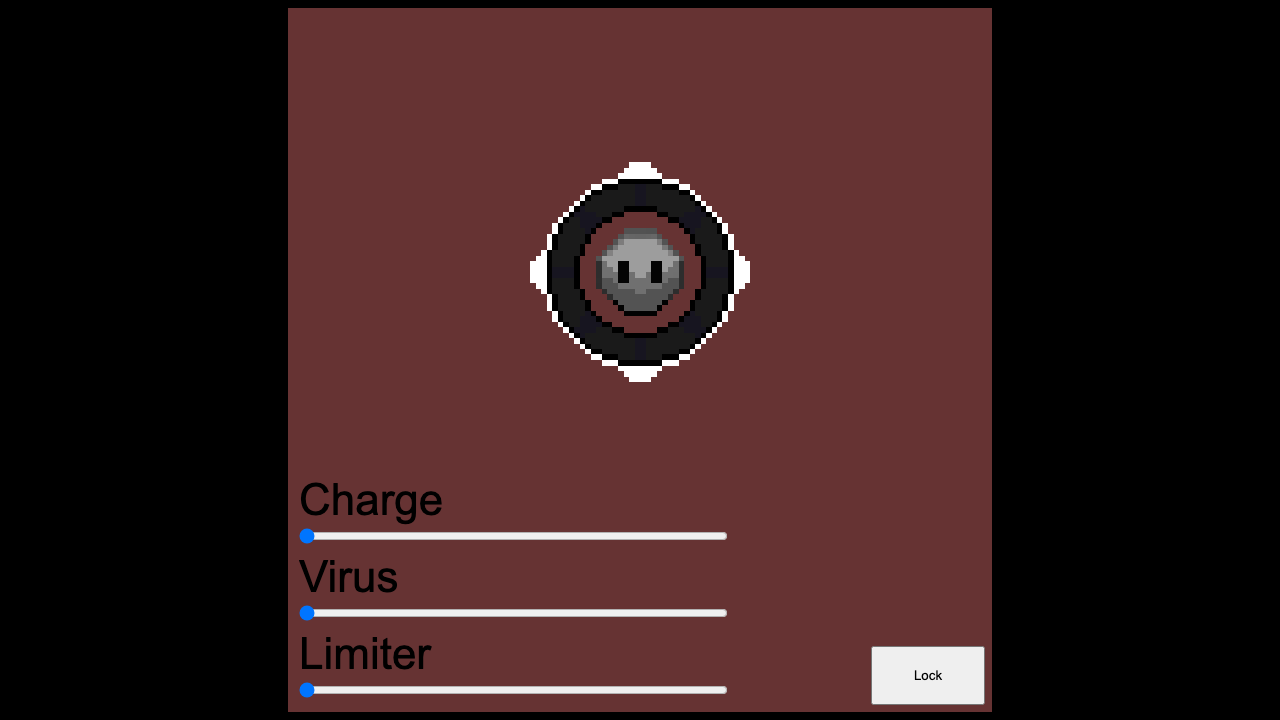
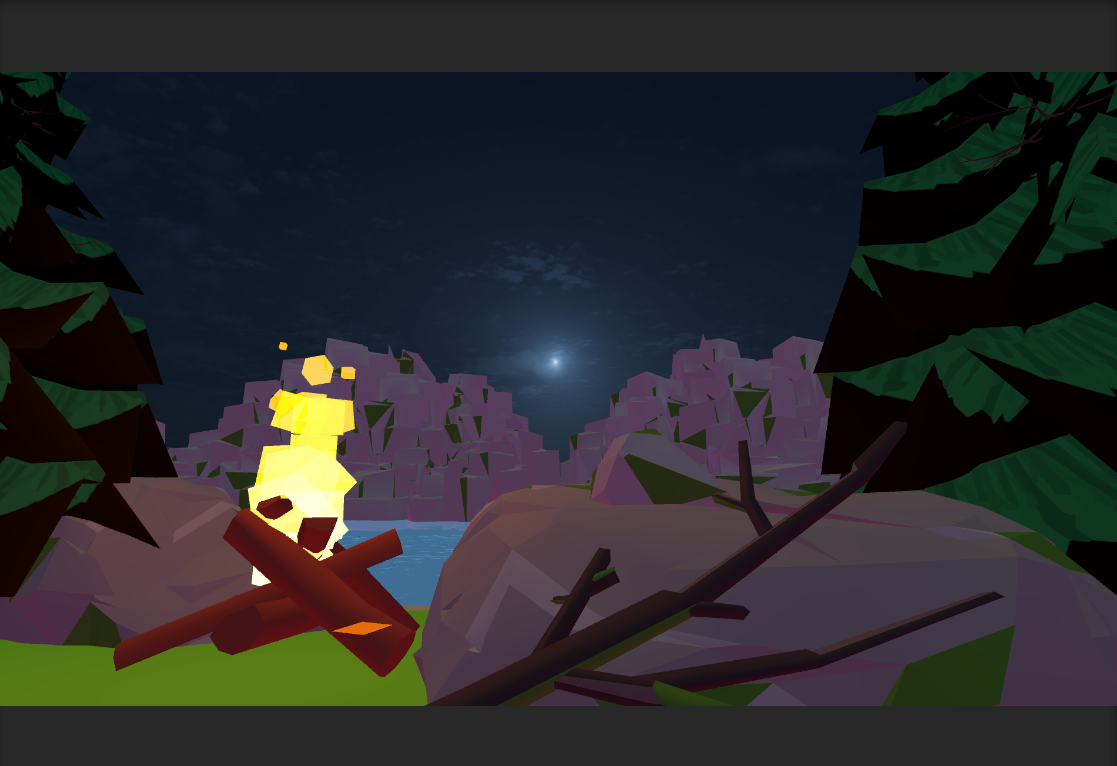
The capture shows the wire swing, draining a battery pack, and spending that energy to power a terminal. Overload and the virus meter are in the documents but not in the footage, and the build’s HUD is a plain battery. The indicator the documents describe was drawn as a ring of charge and infection states, and a browser charge test shows how charge and virus read on an enemy outlet.
The game was made by Games@Northeastern: Studio, and the class that built it was organised to simulate a game studio. The class was split into departments — Art, Assets & Sound; Audience, covering quality assurance, community management and user research; Design; Logistics & Studio Management; Narrative & Story Development; and Programming & Implementation — and then into discipline groups: six content-design teams, Community Management, Game Systems Design, NPC Systems Design, Project Management, Quality Assurance and User Research.
I was assigned to Logistics & Studio Management as my department and to Game Systems Design as my discipline group, where the wire and energy/virus rules were written as a group; the game as built is the whole studio’s. What the project gave me was the experience of design and production working as separate groups with handoffs between them, inside a structure that ran its own playtesting — the studio’s itch.io page still carries its user-research survey.
Evidence
 Hover to enlarge · click for full size
 Hover to enlarge · click for full size
 Hover to enlarge · click for full size
 Hover to enlarge · click for full size
 Hover to enlarge · click for full size
 Hover to enlarge · click for full size
 Hover to enlarge · click for full size
Stills
Documents
 systems.jpg) PDF
Interaction (Wire, virus and energy) systems
Key bindings, the wire as traversal and weapon, drain and overload, and the energy/virus rules with worked infection rates.
.jpg) PDF
NEW battery and virus design document (spring 2023)
The energy/virus system revisited: clean charging, docile enemies, the indicator states and the charge-test link.
Next

Great Vending Machine
A coin. A machine. Tokyo at midnight. Something is wrong inside.
See Reality
Hand-tracked mixed reality for people who have never worn a headset, running inside live guided tours — Boston, Lexington, Nashville, Atlantic Canada, Rome, Pompeii, Venice.
Inhabiting Memory
A VR family museum you enter on foot — real walking inside each room, hand-tracked teleport between them, built from interviews and tested against flat photographs.
 Case study
I Am You
You are not the hiker. You are the trail camera watching him, steering his body.